Revitalizing Neighborhoods Through Street Painting in Detroit
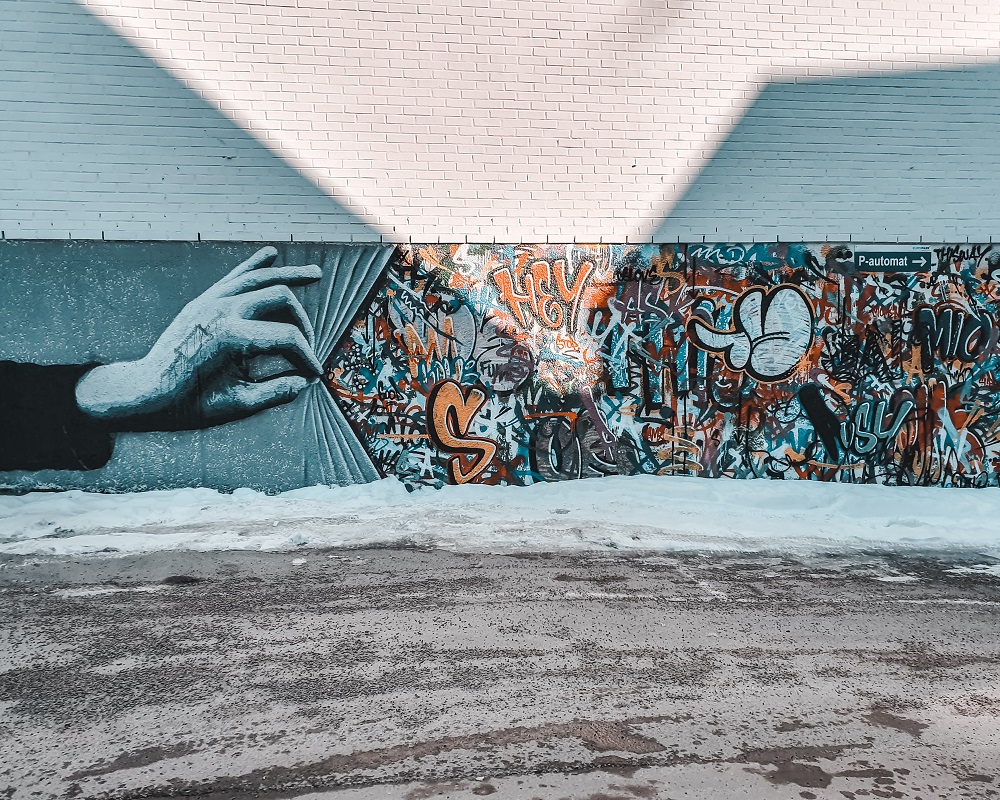
Detroit, once known as the “Motor City” and the epicenter of America’s automotive industry, has faced its fair share of challenges over the years. Economic downturns, population decline, and urban decay have left parts of the city struggling to find their identity and purpose. However, amidst these difficulties, a vibrant and creative solution has emerged: street painting. In recent years, communities in Detroit have turned to art and color to breathe new life into their neighborhoods. This article explores the power of street painting in revitalizing Detroit’s neighborhoods, highlighting its impact on community engagement, economic development, and overall urban aesthetics.
The Evolution of Street Painting in Detroit
Before delving into the impact of street painting on Detroit’s neighborhoods, it’s essential to understand how this art form has evolved in the city. The roots of street painting can be traced back to the early 20th century when public murals began to appear on Detroit’s buildings. These murals often told stories of the city’s industrial heritage and cultural diversity. However, it was not until recent years that the concept of street painting, characterized by colorful and intricate designs on road surfaces, took hold in Detroit.
One of the early pioneers of street painting in Detroit was the Heidelberg Project, founded by artist Tyree Guyton. Located in the McDougall-Hunt neighborhood, this project transformed a once-blighted area into an open-air art environment. Guyton and his team painted houses, streets, and abandoned cars with vibrant colors and unique designs, turning the neighborhood into a living canvas. This project not only showcased the transformative power of art but also inspired other communities to explore similar initiatives.
Fostering Community Engagement
One of the most significant impacts of street painting in Detroit is its ability to foster community engagement. In a city where many neighborhoods have struggled with social isolation and a lack of community spirit, street painting brings people together.
1. Collaboration and Participation
Street painting projects typically involve collaboration between local artists, residents, and community organizations. This collaborative effort encourages residents to take an active role in beautifying their neighborhoods. Painting together creates a sense of ownership and pride in the community, instilling a belief that positive change is possible.
2. Safe Public Spaces
In many cases, the act of street painting transforms neglected or unsafe public spaces into vibrant, welcoming areas. Residents and visitors feel safer walking and spending time in these areas, leading to increased foot traffic, social interaction, and community bonding.
3. Cultural Preservation
Street painting often incorporates elements of local culture, history, and heritage into the designs. This not only celebrates the city’s diverse backgrounds but also helps preserve its cultural identity. Residents and artists collaborate to tell the story of their neighborhood through art, ensuring that it is remembered and appreciated for generations to come.
Economic Development and Revitalization
Beyond community engagement, street painting plays a vital role in economic development and neighborhood revitalization.
1. Attracting Business
Vibrant and aesthetically pleasing streetscapes draw businesses and entrepreneurs to previously overlooked neighborhoods. As new enterprises open their doors, they bring job opportunities and services, contributing to the economic revitalization of the area.
2. Tourism and Cultural Tourism
Artistic neighborhoods attract tourists and visitors interested in experiencing the unique cultural tapestry of Detroit. These tourists spend money on local businesses, hotels, and restaurants, creating a tourism economy that benefits the community.
3. Increased Property Values
The beautification of a neighborhood through street painting often leads to an increase in property values. Residents who witness positive changes in their surroundings are more likely to invest in their homes and maintain them, further contributing to the economic health of the community.
Aesthetic Transformation
One of the most visible and immediate impacts of street painting is the aesthetic transformation of neighborhoods. Dull and decaying streets can be turned into vibrant, colorful corridors that uplift the spirits of residents and visitors alike.
1. Creating Landmarks
Many street painting projects create iconic landmarks that define a neighborhood. These landmarks become symbols of community pride and can even be used for navigation, giving residents a sense of identity and belonging.
2. Breaking Down Barriers
In some cases, street painting can help break down physical and psychological barriers that divide neighborhoods. By connecting spaces with art, previously isolated areas can become integrated into the larger community.
3. Celebrating Diversity
Detroit is known for its cultural diversity, and street painting projects often celebrate this diversity by incorporating various cultural elements into their designs. These colorful expressions of multiculturalism celebrate the city’s rich heritage and promote inclusivity.
Overcoming Challenges
While the benefits of street painting in Detroit are clear, the process is not without its challenges.
1. Funding and Resources
Street painting projects require funding for materials, artists’ fees, and maintenance. Many communities face challenges in securing the necessary resources to undertake such initiatives.
2. Sustainability
Maintaining the vibrancy and impact of street painting over time can be a challenge. The designs can fade, and the surfaces may require periodic touch-ups and maintenance to preserve their beauty.
3. Community Buy-In
Not all residents may initially support street painting projects. Some may have concerns about the allocation of resources or the impact on traffic patterns. Effective community outreach and communication are essential to address these concerns and gain widespread support.
Success Stories: Street Painting in Detroit
Several neighborhoods in Detroit have witnessed remarkable transformations through street painting initiatives. Here are a few success stories:
1. Southwest Detroit – The Alley Project
Southwest Detroit, known for its vibrant Latino culture, has seen significant improvements through “The Alley Project.” This initiative turned neglected alleys into vibrant art spaces, fostering community engagement and cultural expression. The project has not only attracted visitors but also encouraged local businesses and residents to invest in the area.
2. Grandmont Rosedale – “Spirit Murals”
The Grandmont Rosedale neighborhood embarked on a “Spirit Murals” project that focused on celebrating the community’s heritage and achievements. These murals serve as a source of neighborhood pride and have contributed to increased property values and economic development.
3. Detroit Eastern Market – Murals in the Market
The Detroit Eastern Market, one of the city’s most iconic locations, hosts the annual “Murals in the Market” festival. This event brings together artists from all over the world to create stunning murals that attract tourists and breathe new life into the area. It has become a hub for art, culture, and commerce in the city.
Street painting in Detroit represents a powerful and creative approach to neighborhood revitalization. It fosters community engagement, drives economic development, and transforms the urban landscape into a canvas of color and culture. While challenges exist, the success stories of various neighborhoods demonstrate the potential for positive change through art. As Detroit continues its journey of recovery and renewal, street painting remains a shining example of the city’s resilience and creativity in the face of adversity. It not only revitalizes neighborhoods but also revitalizes the spirit of Detroit itself.
Generated by ChatGPT