Detroit’s Street Painting Festivals: Celebrating Art and Community
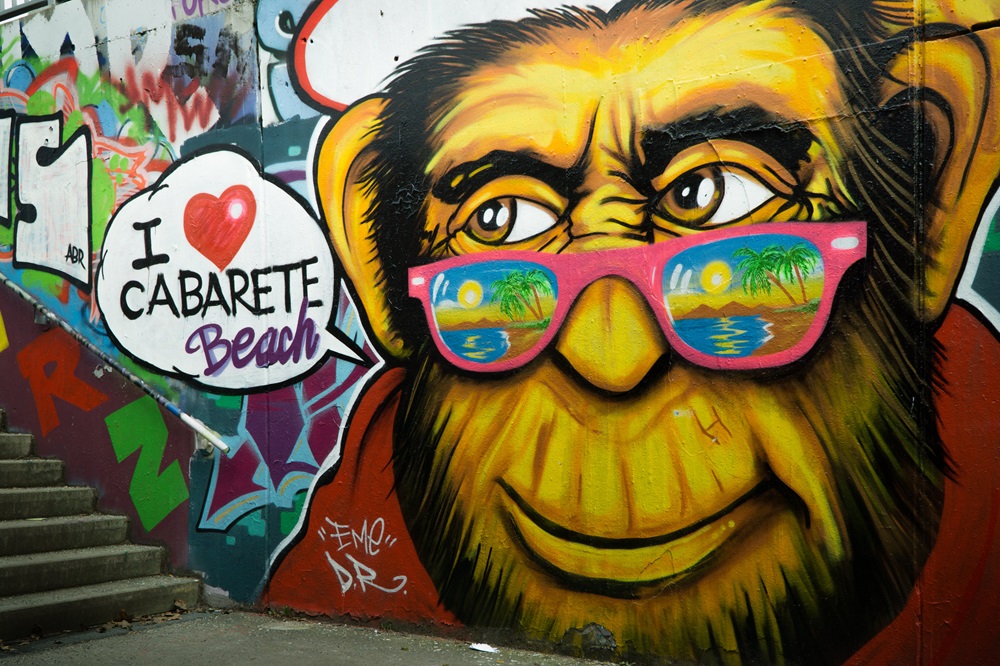
Detroit, a city often associated with its rich automotive history and industrial heritage, has been experiencing a renaissance of a different kind in recent years. Amidst its ongoing economic and urban revitalization, Detroit has become a hub for cultural and artistic expression. A significant part of this transformation can be attributed to the growing popularity of street painting festivals. These vibrant and dynamic events have not only injected a new lease of life into the city’s public spaces but have also fostered a sense of community and unity among Detroiters.
In this article, we will explore the phenomenon of street painting festivals in Detroit, delving into their history, significance, and the profound impact they have on the city’s art scene and community. We’ll also take a closer look at some of the key festivals that have helped shape Detroit’s identity as a thriving cultural hub.
The Birth of Street Painting Festivals
The concept of street painting, also known as pavement art, dates back to the 16th century in Italy. Initially, street paintings were often created by itinerant artists to earn a living, and these works were often temporary, washed away by the rain or worn down by pedestrian traffic. Over the centuries, the art form evolved, and today, it stands as a unique and captivating form of public art.
Street painting festivals, as we know them today, originated in the 20th century. The roots can be traced back to Grazie di Curtatone, Italy, where the first International Street Painting Festival was held in 1973. It was inspired by the Madonnari tradition, where artists would create intricate chalk artworks on the streets to pay homage to the Madonna.
These festivals quickly spread to other parts of Europe and eventually crossed the Atlantic to the United States. Detroit, a city with a long history of embracing creativity, quickly adopted the idea and made it its own.
Detroit’s Street Painting Renaissance
In Detroit, the renaissance of street painting festivals can be attributed to several factors. The city’s rich cultural heritage, artistic spirit, and growing emphasis on community engagement provided the perfect environment for these festivals to thrive.
One of the most influential factors in Detroit’s street painting renaissance is the city’s long-standing commitment to the arts. Institutions like the Detroit Institute of Arts (DIA) have played a vital role in nurturing the local art scene. The DIA’s outreach programs and support for emerging artists have contributed to the city’s reputation as an art-centric community.
Additionally, the city’s economic struggles and challenges in recent decades have made public art an essential tool for revitalization. Artistic expressions in public spaces have helped to rekindle a sense of pride among Detroiters and attract visitors and investments to the city.
The transformation of once-vacant buildings into vibrant art installations has also been a key feature of Detroit’s renaissance. The Heidelberg Project, created by artist Tyree Guyton, is a striking example of this trend. Located in the heart of the city, this outdoor art project has turned an entire neighborhood into a canvas, with colorful sculptures and mosaics adorning the houses and streets. The Heidelberg Project has drawn international attention and played a role in shaping the perception of Detroit as a thriving, creative city.
The Significance of Street Painting Festivals
Street painting festivals hold immense significance for Detroit, both in terms of art and community building. Let’s delve into these aspects in more detail.
1. Fostering Creative Expression: Street painting festivals provide a platform for artists to express themselves in a unique and temporary medium. The impermanence of these artworks is part of their charm. Artists use chalk, pastels, and other temporary materials to create intricate and colorful designs on the pavement. This form of art encourages creativity, experimentation, and a playful approach to the creative process.
2. Democratizing Art: These festivals break down traditional barriers between artists and the public. Street painting art is accessible to everyone, and the participatory nature of the events allows people to engage directly with the artists. This democratization of art is a key feature of Detroit’s art scene, where inclusivity and diversity are celebrated.
3. Community Engagement: Street painting festivals bring communities together. People from all walks of life come to witness the transformation of their streets and public spaces into vibrant artworks. Neighbors and strangers alike can strike up conversations, share their thoughts on the art, and form connections, thereby strengthening the sense of community.
4. Revitalizing Public Spaces: Detroit’s history of abandoned buildings and underutilized public spaces has been significantly altered by street painting festivals. These events bring life to once-neglected areas, making them more attractive and inviting. This, in turn, contributes to a safer and more vibrant urban environment.
5. Tourism and Economic Impact: As street painting festivals gain popularity, they attract visitors from across the region and beyond. Tourists come to experience the art, culture, and atmosphere, injecting revenue into the local economy. Local businesses often see an uptick in sales during these events, benefiting from the increased foot traffic.
6. Promoting Local Talent: Detroit has a wealth of artistic talent, and street painting festivals offer a stage for local artists to showcase their skills. It provides emerging artists with exposure and recognition, potentially leading to opportunities for further career development.
Key Street Painting Festivals in Detroit
Detroit hosts several prominent street painting festivals, each with its unique character and charm. Let’s take a closer look at a few of these events that have become integral to the city’s cultural landscape.
1. The Detroit Festival of the Arts: The Detroit Festival of the Arts is one of the city’s oldest and most iconic art events. Established in 1976, this three-day celebration brings together artists from various disciplines, including visual arts, performing arts, and music. It is an inclusive, family-friendly festival that invites all members of the community to experience the power of art. Street painting is a notable highlight, with talented artists transforming the pavement into breathtaking works of art.
2. The Dally in the Alley: The Dally in the Alley is an annual street fair held in the Cass Corridor neighborhood. It’s known for its eclectic mix of art, music, and food. Street painting is a prominent feature of this event, and artists create vibrant chalk masterpieces on the streets. The festival embodies the spirit of Detroit’s underground art and music scene, making it a unique and authentic experience.
3. The Belle Isle Art Fair: Belle Isle, a beautiful island park in the Detroit River, hosts the Belle Isle Art Fair. This event showcases a variety of art forms, including street painting. Artists create intricate chalk designs on the island’s pathways, providing a scenic backdrop for their work. The combination of art, nature, and community engagement makes this event particularly special.
4. The Art in the Park Festival: This annual event takes place in the city of Plymouth, just outside Detroit, and features an array of artistic forms, including street painting. The festival attracts artists and visitors from the Detroit metropolitan area, offering a unique opportunity for artists to showcase their talents and for the community to appreciate their work.
5. Murals in the Market: While not exclusively a street painting festival, Murals in the Market deserves a mention for its significant impact on Detroit’s art scene. This annual event, held in the Eastern Market district, invites local and international muralists to create large-scale outdoor murals. These murals transform the neighborhood into an open-air art gallery, attracting art enthusiasts from near and far.
The Community’s Perspective
To truly understand the impact of street painting festivals on Detroit, it’s important to hear from the community itself. We spoke to several Detroiters to gain insight into how these events have affected their lives and the city as a whole.
Jennifer, a resident of Detroit: “I’ve lived in Detroit for over a decade, and the street painting festivals are a highlight of the summer for me. It’s incredible to see how these artists transform the streets with their chalk and pastels. The sense of community that these events foster is amazing. I’ve met neighbors I never knew I had and reconnected with friends I hadn’t seen in years. It’s more than just art; it’s a celebration of our city.”
Mike, a local business owner: “I own a café near one of the street painting festival locations. These events are a boon for my business. The increased foot traffic during the festivals means more customers, and the atmosphere they create is truly unique. I’ve seen visitors come back to our café throughout the year, not just during the events. The festivals have a lasting impact on our community.”
Sarah, an emerging artist: “As an emerging artist, participating in street painting festivals has been a game-changer for me. It’s given me a platform to showcase my work and connect with other artists. The support and feedback I’ve received from both the public and fellow artists have been invaluable. These festivals are essential for the growth of Detroit’s art scene.”
Mark, a tourist from Chicago: “I came to Detroit specifically for the Dally in the Alley festival, and I was blown away by the art. The street paintings were incredible, and the whole atmosphere was electric. I’ve always thought of Detroit as an industrial city, but this experience completely changed my perception. It’s a city with a vibrant, creative heart.”
Challenges and Future Prospects
While street painting festivals have undoubtedly had a positive impact on Detroit, they are not without challenges. Weather conditions can be unpredictable, potentially affecting the quality and longevity of the artwork. Additionally, the financial and logistical aspects of organizing these events can be demanding, often relying on sponsorships and community support.
However, these challenges have not deterred the organizers and artists involved. Instead, they have inspired creative solutions and innovations. Artists have started experimenting with new materials and techniques to ensure their artwork lasts longer, and organizers continue to find ways to make these events financially sustainable.
Looking ahead, Detroit’s street painting festivals are poised for further growth and evolution. They are likely to continue expanding in scale and diversity, attracting a more extensive and diverse audience. The integration of technology, such as augmented reality and interactive installations, is a potential avenue for enhancing the festival experience. These innovations could allow for even greater engagement with the public and further strengthen the ties between art and community.
In conclusion, Detroit’s street painting festivals are not merely annual events but symbols of the city’s renaissance and resilience. They celebrate art, foster community spirit, and transform public spaces into vibrant canvases of creativity. By embracing this unique form of artistic expression, Detroit has reaffirmed its position as a cultural hub and a city where creativity knows no bounds. As these festivals continue to grow and evolve, the future of Detroit’s art scene appears brighter than ever.
Generated by ChatGPT