The Role of Street Painting in Community Engagement and Neighborhood Revitalization in Detroit
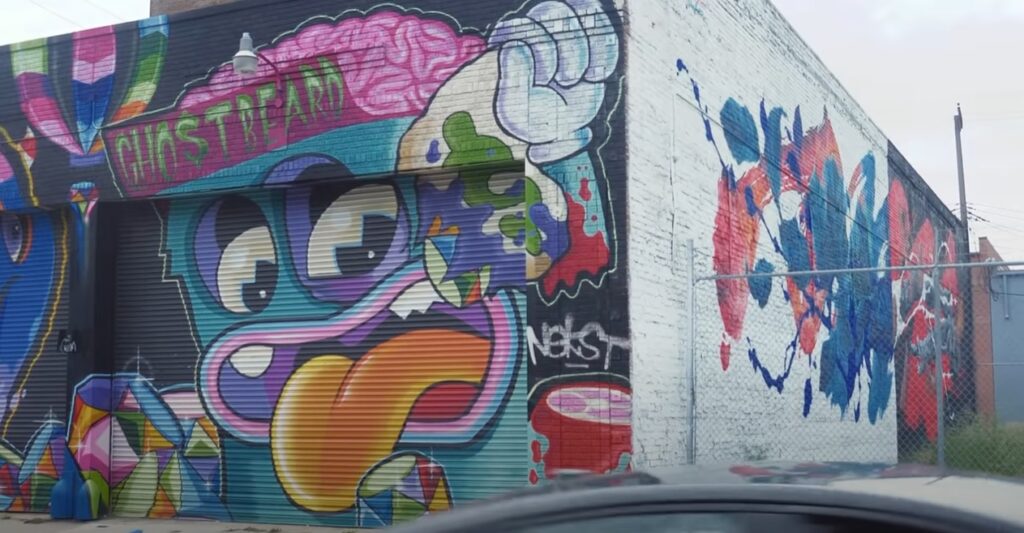
Street painting in Detroit has become an increasingly popular form of community engagement and neighborhood revitalization. Through vibrant murals and colorful crosswalks, street painting has helped to bring together residents and artists to transform vacant and blighted spaces into something beautiful and inspiring.
One of the key roles of street painting in Detroit is its ability to foster a sense of community pride and ownership. By involving residents in the creation and planning of street art projects, communities are able to come together and collaborate on something that they can be proud of. This can lead to a greater sense of investment in the neighborhood, as residents work to maintain and preserve these new artworks.
One notable example of community engagement through street painting is the Detroit Beautification Project. Founded by artist Nicole Macdonald, the project works with community groups and volunteers to paint murals and install public art in vacant and abandoned spaces throughout the city. By involving local residents in the process, the project is able to create artwork that reflects the unique character and identity of each neighborhood.
Another example of community engagement through street painting is the Detroit Riverfront Conservancy’s Riverfront Arts Program. This program works with local artists to create public art installations along the city’s riverfront. Through temporary installations and interactive art experiences, the program aims to engage residents and visitors in conversations about the history and future of Detroit’s riverfront.
In addition to community engagement, street painting in Detroit has also played an important role in neighborhood revitalization. By adding color and creativity to otherwise drab and blighted spaces, street art has helped to transform neighborhoods and make them more inviting to residents and visitors alike.
One example of neighborhood revitalization through street painting is the Grand River Creative Corridor. This 3-mile stretch of road in northwest Detroit has been transformed into an outdoor art gallery, with murals and street art installations covering the walls of buildings and businesses. Through this project, the neighborhood has been revitalized and made more attractive to both residents and businesses.
Another example of neighborhood revitalization through street painting is the Detroit Institute of Arts’ Inside|Out program. This program brings high-quality reproductions of the museum’s artwork to neighborhoods throughout the city. By placing these reproductions in public spaces, the program aims to bring art into the community and encourage residents to explore their city and its cultural offerings.
Despite its many benefits, street painting in Detroit is not without its challenges. Some property owners and city officials have raised concerns about the legality of street art and the impact it may have on property values. Others have criticized street artists for creating works that are offensive or disrespectful.
To address these concerns, many street artists in Detroit have begun working with community groups and property owners to create collaborative street art projects that are well-received by both residents and local officials. By involving the community in the planning and creation of street art, these artists are able to ensure that their work is both legal and respectful.
Street painting in Detroit has played an important role in community engagement and neighborhood revitalization. By involving residents in the creation and planning of street art projects, communities are able to come together and collaborate on something that they can be proud of. Through vibrant murals and colorful crosswalks, street art has helped to transform vacant and blighted spaces into something beautiful and inspiring. As Detroit continues to evolve, it is likely that street painting will continue to play an important role in its cultural and community identity.