From Urban Blight to Artistic Delight: The Impact of Street Painting in Detroit
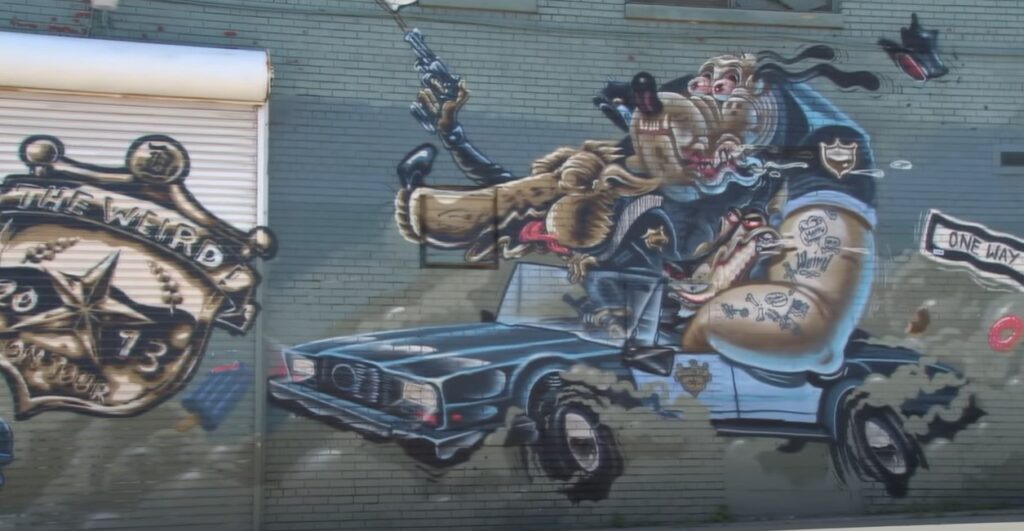
The city of Detroit, once a symbol of industrial prowess, faced a period of urban blight characterized by abandoned buildings, vacant lots, and economic decline. However, in recent years, a colorful and creative movement has emerged that has transformed neglected streets and alleyways into vibrant canvases. Street painting, also known as street art or muralism, has taken root in Detroit, bringing about a remarkable metamorphosis that goes beyond aesthetics. This article delves into the impact of street painting on Detroit, exploring how this form of artistic expression has revitalized the city, empowered communities, and created a sense of identity and pride.
The Rise of Urban Blight
Detroit’s decline has been widely documented, with the city facing numerous challenges such as deindustrialization, population loss, and disinvestment. The consequences of these challenges were evident in the form of abandoned factories, dilapidated houses, and vacant lots that marred the city’s landscape. As once-thriving neighborhoods succumbed to neglect, a sense of hopelessness and decay pervaded the urban fabric.
The Emergence of Street Painting
Amidst the backdrop of urban blight, a counter-movement was brewing. Street painting, once dismissed as mere graffiti, began to gain recognition as a legitimate form of artistic expression. What was once considered vandalism was gradually embraced as a powerful tool for transforming neglected spaces into vibrant works of art. Detroit’s artists, activists, and community members saw the potential of street painting to not only beautify the city but also to convey meaningful messages and stories.
Revitalizing Public Spaces
One of the most tangible impacts of street painting in Detroit has been the revitalization of public spaces. Vacant walls and alleyways have been transformed into open-air galleries that showcase a diverse range of artistic styles and themes. Murals depicting scenes of resilience, cultural heritage, and social justice have breathed new life into once-forgotten corners of the city. Passersby are now greeted by a riot of colors and intricate designs, replacing the desolation that was once synonymous with Detroit’s blighted areas.
Fostering Community Engagement
Street painting has proven to be a powerful catalyst for community engagement. Collaborative mural projects often involve local residents, artists, and volunteers who come together to contribute their creative input. This communal effort not only forges connections but also instills a sense of ownership and pride in the final artwork. Residents who may have felt alienated by the decay in their neighborhoods now find themselves actively participating in the revitalization process.
Community-initiated projects like the Heidelberg Project demonstrate the transformative power of street art. What began as a single art installation by artist Tyree Guyton in the 1980s has evolved into a sprawling outdoor art environment. Through the use of found objects and repurposed materials, Guyton and the community have turned a once-neglected neighborhood into a living, evolving work of art that continues to draw visitors and spark conversations about creativity, resilience, and the human spirit.
Empowering Local Voices
Street painting serves as a megaphone for local voices, allowing marginalized communities to share their stories and experiences. In Detroit, many murals serve as visual narratives that shed light on the city’s rich history, its challenges, and its triumphs. Murals often address social issues such as racial inequality, economic disparities, and environmental justice, serving as poignant reminders of the city’s complex past and present.
The “Power to the People” mural in the Grand River Creative Corridor exemplifies this narrative-driven approach. The mural, which spans over 200 feet, depicts iconic figures from Detroit’s history alongside contemporary activists. The artwork celebrates the city’s legacy of resistance while highlighting the ongoing struggle for justice and equality. By giving voice to the stories of the past and present, street painting reclaims public spaces as platforms for dialogue and empowerment.
Boosting Economic Development
The impact of street painting extends beyond aesthetics and social engagement—it also plays a role in economic development. As once-neglected neighborhoods become vibrant cultural hubs, they attract tourists, art enthusiasts, and entrepreneurs. Cafes, galleries, and shops sprout up in areas that were previously overlooked, creating a new economic vitality. Murals have become Instagram-worthy landmarks, drawing visitors from far and wide and contributing to the local economy.
The “Murals in the Market” festival, held annually in Detroit’s Eastern Market district, exemplifies this economic boost. The festival brings together local and international artists to create large-scale murals, attracting thousands of visitors and generating revenue for the surrounding businesses. What was once an economically struggling area has been revitalized into a thriving destination, all thanks to the transformative power of street painting.
A Sense of Identity and Pride
Perhaps one of the most intangible yet profound impacts of street painting in Detroit is the restoration of a sense of identity and pride. The city’s residents have rallied around these vibrant murals, embracing them as symbols of resilience and renewal. Murals that celebrate local culture, music, and sports teams foster a collective identity that transcends socioeconomic challenges.
The “Detroit Industry Murals” by Diego Rivera, located in the Detroit Institute of Arts, exemplify this sense of pride. Created in the 1930s, these murals depict the city’s industrial heritage and the contributions of its workers. They serve as a testament to Detroit’s history of innovation and hard work, reminding residents of the city’s enduring spirit in the face of adversity.
Challenges and Considerations
While the impact of street painting in Detroit is overwhelmingly positive, it’s important to acknowledge the challenges and considerations associated with this art form. Questions of gentrification, cultural appropriation, and the commercialization of street art are topics that require careful examination. Balancing the preservation of authentic local voices with the influx of outside interest can be a delicate task, and the community must remain vigilant to ensure that the essence of Detroit’s neighborhoods is not diluted or commodified.
From urban blight to artistic delight, the impact of street painting in Detroit is a testament to the transformative power of creativity. This movement has not only revitalized the city’s physical landscape but has also revitalized its spirit, fostering community engagement, empowering local voices, boosting economic development, and restoring a sense of identity and pride. Detroit’s journey from abandonment to resurgence serves as an inspiring example of how art, when harnessed as a tool for change, can breathe new life into the spaces that have been neglected and overlooked. As street painting continues to evolve, it will undoubtedly remain a driving force in Detroit’s ongoing narrative of revival and reinvention.
Generated by ChatGPT